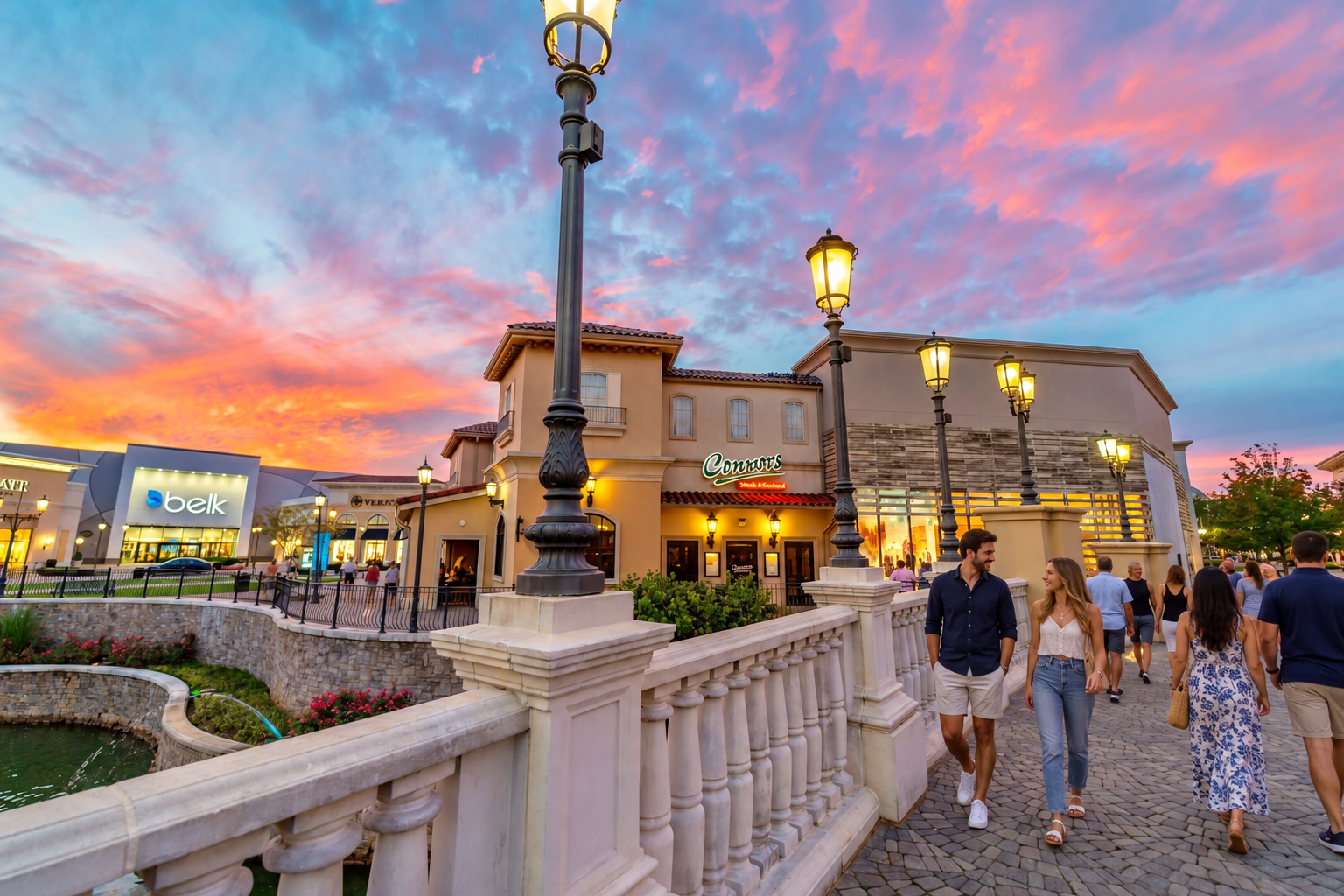
What Is It Like Living in Madison and Huntsville, Alabama?
Some cities earn their reputation gradually, and others announce it loudly. Huntsville has done something rarer — it built an economy around rockets and satellites and then quietly...

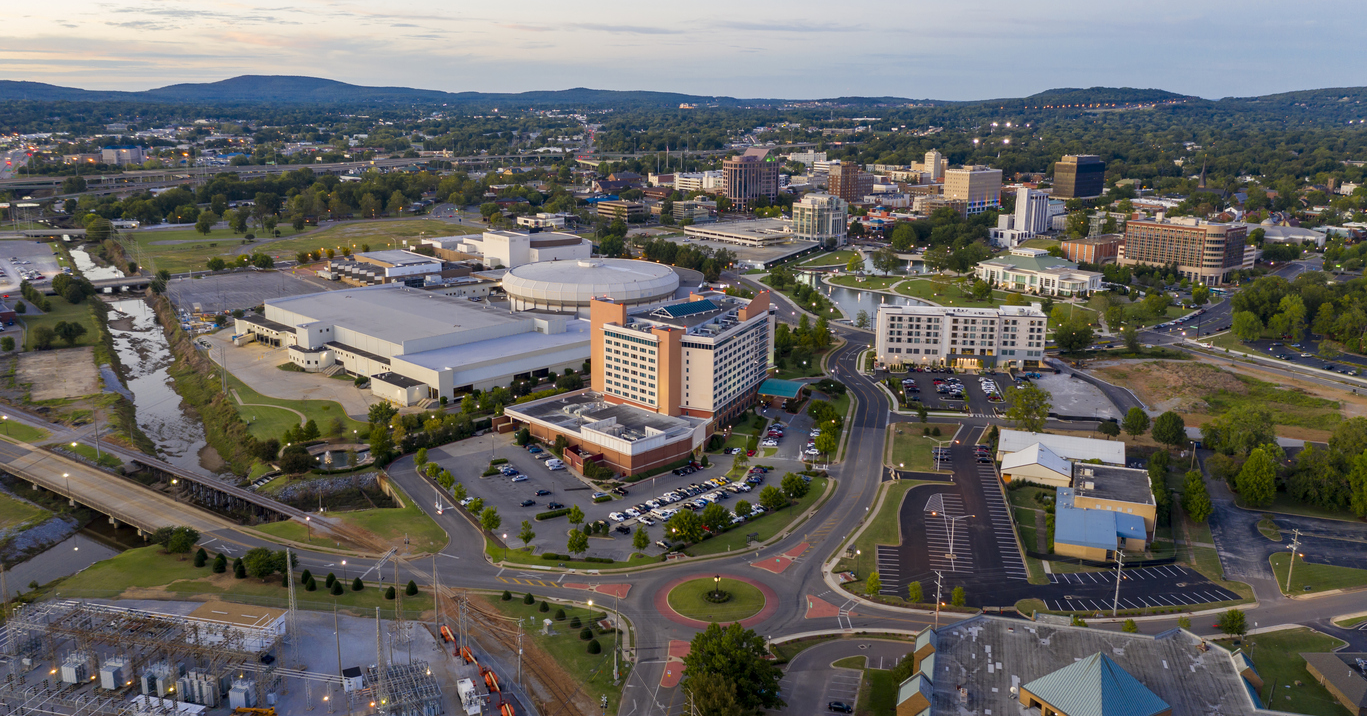
Madison and Huntsville · Community Photo
Some cities earn their reputation gradually, and others announce it loudly. Huntsville has done something rarer — it built an economy around rockets and satellites and then quietly became one of the most livable metros in the Southeast without making much noise about it. Madison, its neighbor just west along US-72, has done the same at a smaller scale: safe neighborhoods, outstanding schools, and a community character that keeps drawing families who did their research and liked what they found.
Two Cities, One Ecosystem
Madison and Huntsville share an economy, a school corridor, and a daily rhythm while offering distinctly different residential personalities. Madison is quieter and more suburban, built around long-term residents who value consistency and the community feeling of a city that has not yet outgrown itself. Huntsville is the urban anchor — the largest city in Alabama with a revitalized downtown, a growing food and arts scene, and a defense and technology job market that punches well above its weight class nationally.
Most people settle in one city and move freely between the two. According to the Huntsville Business Journal, the median sale price in Huntsville sits around $300,000 in early 2026 — a Housing Affordability Index of 105, meaning the typical household income can cover more than the median-priced home. Madison runs higher, near $480,000, driven by school district demand and new construction activity, according to The Madison Record.
An Economy Built to Last
According to Made in Alabama, Huntsville's economy is anchored by Redstone Arsenal, NASA's Marshall Space Flight Center, and Cummings Research Park — the second-largest research park in the United States, home to more than 300 companies, including Boeing, Lockheed Martin, Northrop Grumman, and Blue Origin.
For professionals in engineering, defense contracting, and technology, the employment depth here competes with markets that cost two or three times as much to live in. The U.S. Space Command headquarters is officially relocating to Redstone Arsenal, bringing approximately 1,400 additional jobs over the next five years — adding to an already active hiring environment that has driven consistent in-migration for over a decade.
Schools Worth Relocating For
According to The Madison Record, Madison City Schools scored a 95/A average on the 2025 Alabama State Report Card and ranked in the top 100 school districts nationwide out of more than 10,000. James Clemens High School placed 8th in Alabama, Bob Jones High placed 10th, and every elementary school landed in the state's top 10 percent.
For families where the school district is the deciding factor, Madison makes the case clearly. Huntsville City Schools are also well-regarded, and the University of Alabama in Huntsville and Alabama A&M University provide local higher education options for residents and their children.
Outdoor Life and Community Character
According to Huntsville.org, Monte Sano State Park sits five miles from downtown with 2,140 acres of hiking and mountain biking trails, and the broader area offers approximately 73 miles of greenways and trails.
We Are Huntsville highlights Dublin Memorial Park in Madison and the growing Clift Farm mixed-use development on US-72 as community anchors that reflect the area's investment in quality of life alongside its economic growth. The Moonlight Market is every second Friday downtown, and a genuinely maturing restaurant and arts scene give Huntsville cultural texture that surprises newcomers who expected a company town.
Honest Considerations
According to Huntsville Moving Guide, hot and humid summers are a real adjustment for transplants from milder climates, and the area sits in Dixie Alley — a tornado-risk corridor that requires a genuine weather preparedness plan rather than a theoretical one. Public transit is limited, and car dependency is universal.
Crime rates in some Huntsville neighborhoods run above national averages, making neighborhood-level research important before committing to a specific address. And while Huntsville's cultural scene has matured significantly, residents seeking the major-metro entertainment density of larger cities will find it more modest.
Interested in moving to Madison or Huntsville? Connect with Josh and Kelly Wheelock at Fit Family Homes today.
Sources: huntsvillebusinessjournal.com, madeinalabama.com, themadisonrecord.com, huntsville.org, wearehuntsville.com, niche.com, huntsvillemovingguide.com