Inspecting a Garage: A Comprehensive Guide
When you think about buying, selling, or maintaining a home, the garage might not be the first place that comes to mind for a careful inspection. However, garages are crucial parts...
Madison and Huntsville · Community Photo
When you think about buying, selling, or maintaining a home, the garage might not be the first place that comes to mind for a careful inspection. However, garages are crucial parts of our homes, housing our vehicles, serving as workshops, and sometimes doubling as storage areas. Unfortunately, they're often overlooked in home inspections. The potential costs of missed issues in a garage can be significant, ranging from minor repairs to major structural fixes, potentially running into thousands of dollars.
Common oversights during a garage inspection include ignoring minor cracks in the floor, not testing the garage door mechanism, overlooking electrical issues, and failing to recognize signs of pest infestation. Such misses can result in safety hazards, structural damage, and decreased functionality of the space. Understanding the importance of inspecting a garage and knowing what to look for can save you a lot of time, money, and headache down the line. Structural Elements to Inspect: Begin your garage inspection by examining the foundation, walls, and roof. Look out for signs of damage like cracks, water stains, or signs of sagging, which might indicate deeper structural problems. Such issues not only compromise the garage’s integrity but can also be expensive to repair. Ensuring that the building is structurally sound is, therefore, a crucial first step in the inspection process. Attention should also be paid to the floor, which, although not necessarily a structural component, can reveal issues like oil spills or cracks. These may not threaten the building's integrity but could point to neglect or other damage. Fire barriers, particularly in attached garages, are another key element. Check for intact walls, ceilings, and the correct type of door separating the garage from living spaces to ensure compliance with fire safety regulations. Mechanical and Electrical Components: The electrical systems in a garage, including outlets and lighting, should be in good working order and feature Ground Fault Circuit Interrupter (GFCI) protection to prevent electrical shocks. When inspecting the garage door and its opener, look for smooth operation and listen for any irregular noises. Automatic doors should also have auto-reverser mechanisms and sensors to detect obstructions and prevent accidents.
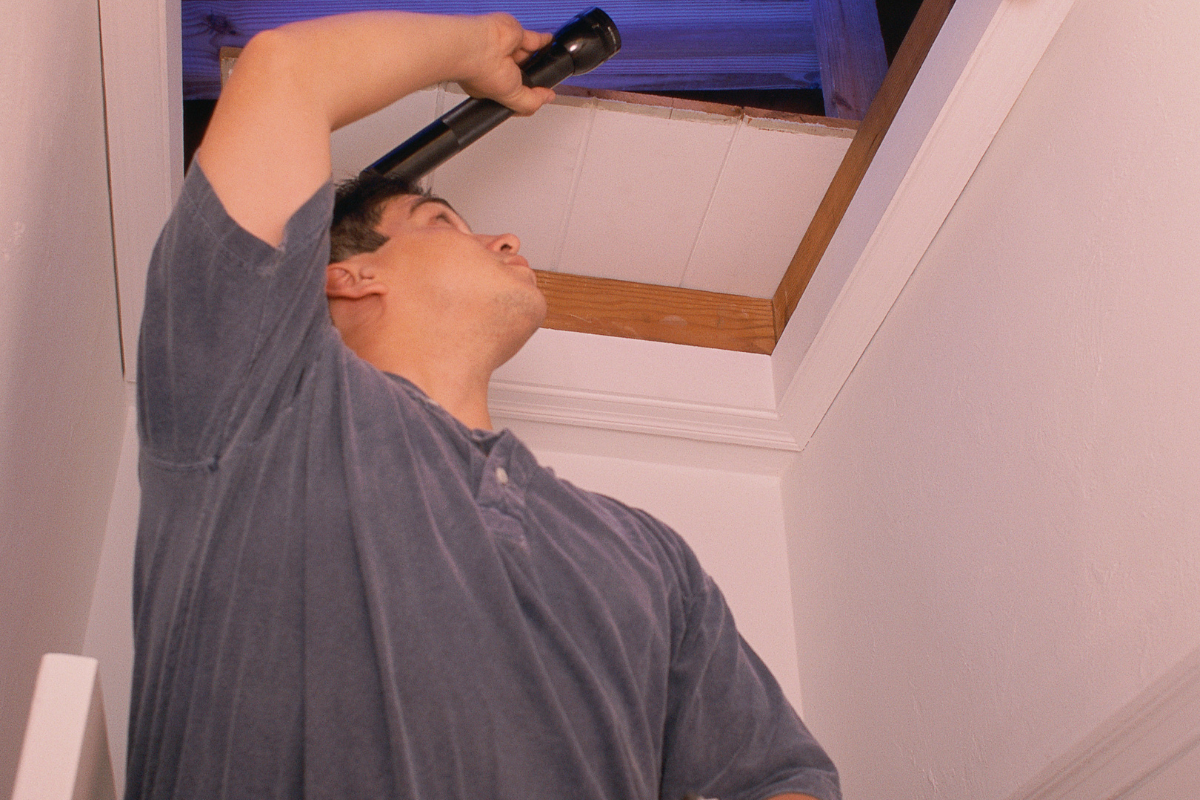
- Inspecting garage door mechanisms for optimal safety and operation. Source: wini.com